Don’t memorize a language. Have a conversation in it.
0%
Don’t memorize a language. Have a conversation in it.
We use cookies for anonymous analytics to improve Semantix. See our Privacy Policy.
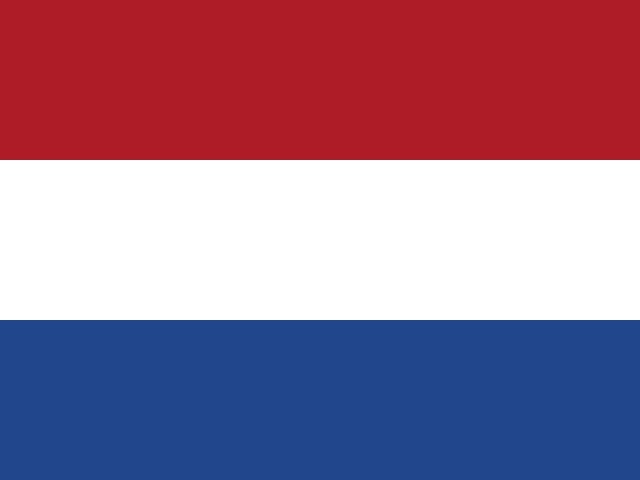
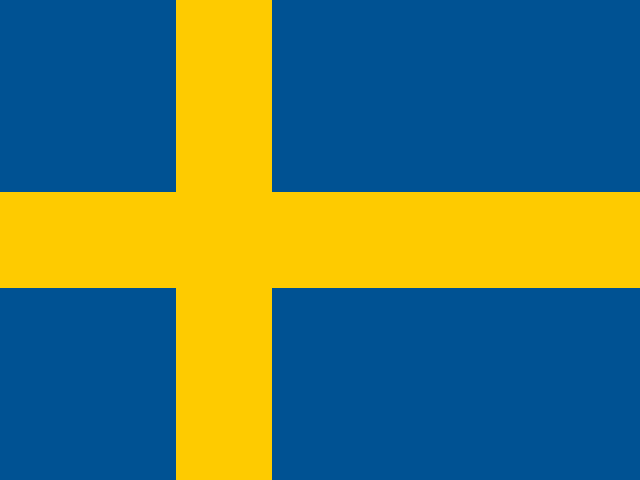
Two germanic languages, side by side.
Nederlands
Svenska
Swedish present tense ends in -r for every person: jag talar, du talar, de talar. Dutch changes the ending: ik praat, hij praat, wij praten.
Dutch het boek is Swedish boken, and de stad is staden. An adjective in front brings a separate article back: den stora staden.
Dutch sends the verb to the end of a subordinate clause: dat ik het niet weet. Swedish keeps it in place and puts inte before it: att jag inte vet.
Swedish has a pitch accent and the sj-sound (sju, sjö) that has no Dutch or English match. Dutch has its guttural g and the ui and ij diphthongs.
| Dutch | Swedish |
|---|---|
| glad slippery, smooth | glad happy |
| bord plate | bord table |
| Dutch | Swedish | English |
|---|---|---|
| de | en | the (common gender) / a/an (common gender) |
| het | ett | the (neuter) / a/an (neuter gender) |
| een | -en | a, an / the (common, suffixed) |
| ik | -et | I / the (neuter, suffixed) |
| jij | -na | you (informal sg., stressed) / the (plural, suffixed common) |
| je | jag | you (informal sg., unstressed); your / I |
| u | du | you (formal) / you (sg.) |
| hij | han | he |