Don’t memorize a language. Have a conversation in it.
0%
Don’t memorize a language. Have a conversation in it.
We use cookies for anonymous analytics to improve Semantix. See our Privacy Policy.
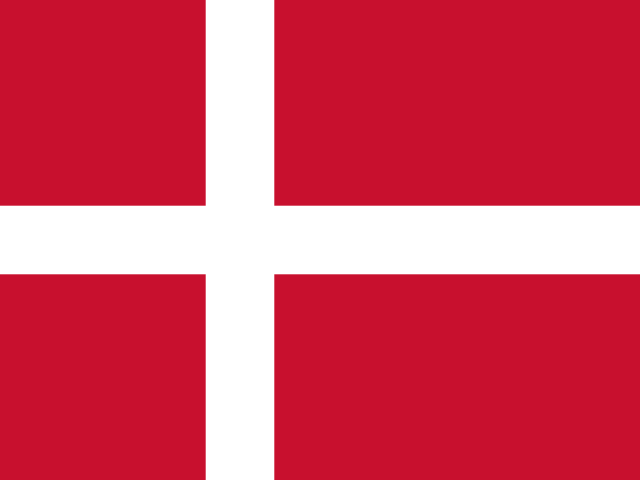
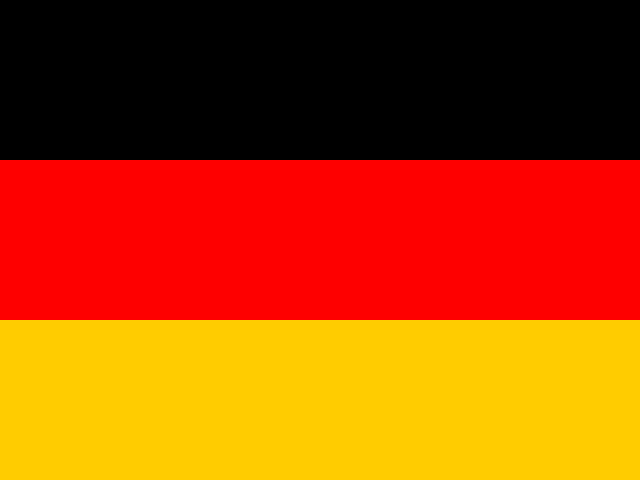
Two germanic languages, side by side.
Dansk
Deutsch
German has four cases, three genders and adjective endings that depend on all of them. Danish nouns have no case endings and two genders (en, et).
German verbs change for every person (ich gehe, du gehst, er geht). Danish has one present form: jeg går, du går, han går.
German puts the article first: das Haus. Danish adds it to the end: huset.
German spelling is a reliable guide to its sound. Danish swallows consonants, softens d, and uses a catch in the voice called stød, so the spoken language can be far from the written one.
| Danish | German |
|---|---|
| gift married (also poison) | Gift poison |
| rar nice, kind | rar scarce |
| Danish | German | English |
|---|---|---|
| en | der | a/an (common gender) / the (m. sg., nom.) |
| et | die | a/an (neuter gender) / the (f. sg. / pl., nom.) |
| -en | das | the (common, suffixed) / the (n. sg., nom.) |
| -et | den | the (neuter, suffixed) / the (m. sg., acc.) |
| -(e)ne | dem | the (plural, suffixed) / the (m./n. sg., dat.) |
| jeg | ein | I / a, an (m./n.) |
| du | eine | you (sg.) / a, an (f.) |
| han | ich | he / I |