Don’t memorize a language. Have a conversation in it.
0%
Don’t memorize a language. Have a conversation in it.
We use cookies for anonymous analytics to improve Semantix. See our Privacy Policy.
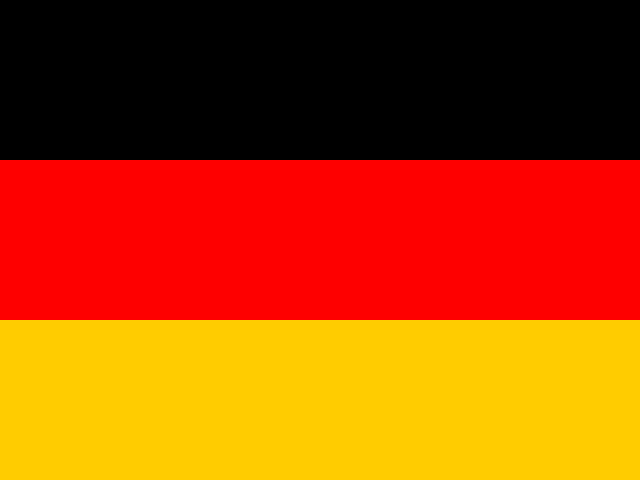
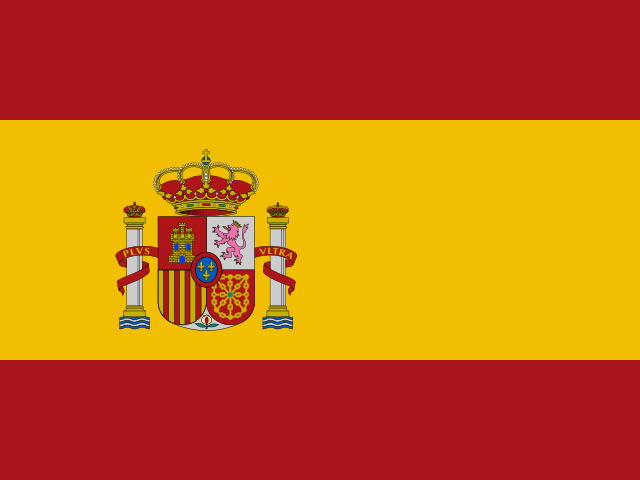
Two languages from different families, side by side.
Deutsch
Español
German marks four cases on articles and adjectives and has three genders (der, die, das). Spanish nouns have no case endings and two genders (el, la).
German puts the verb second in a main clause and last in a subordinate one (weil ich müde bin), and splits verbs like anrufen into two parts (ich rufe dich an). Spanish word order is close to English and more flexible.
Spoken German mostly uses one compound past (ich habe gegessen). Spanish asks you to choose between two simple pasts, comí for a completed event and comía for a background or habit.
Spanish uses its subjunctive constantly after wishes, doubts and emotions (quiero que vengas). German's Konjunktiv is mainly for hypotheticals and reported speech; ich will, dass du kommst stays in the indicative.
| German | Spanish | English |
|---|---|---|
| der | el | the (m. sg., nom.) / the (m. sg.) |
| die | la | the (f. sg. / pl., nom.) / the (f. sg.) |
| das | los | the (n. sg., nom.) / the (m. pl.) |
| den | las | the (m. sg., acc.) / the (f. pl.) |
| dem | un | the (m./n. sg., dat.) / a, an (m.) |
| ein | una | a, an (m./n.) / a, an (f.) |
| eine | yo | a, an (f.) / I |
| ich | tú | I / you (informal sg.) |